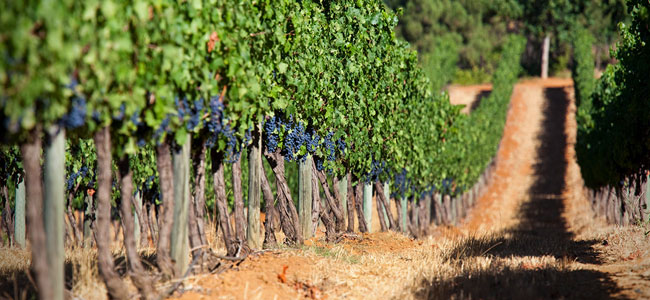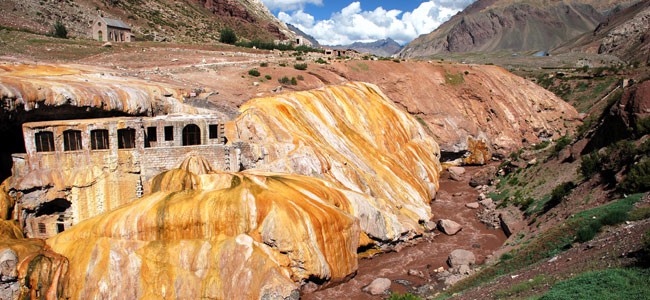
Luján de Cuyo sits 15 minutes south of Mendoza city, at around 900–1,000 meters at the foot of the Andes. In 1993 it became Argentina’s first official Denomination of Origin for Malbec — the country’s first formal recognition that a specific place produces wines of distinct character. The region had been producing wine since the late 1800s. The DOC was recognition of something that already existed.
The elevation and cold nights slow down sugar accumulation and preserve acidity. The Malbec from Luján de Cuyo wineries has more structure than most people expect — dry, mineral, with a long finish.
Wineries We Visit
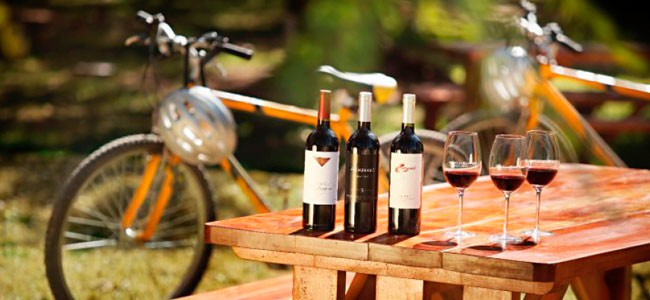
Each stop includes a guided wine tasting and cellar visit. We work with a range of bodegas, from large operations with impressive cellars to small family wineries where the owner opens the bottles. We typically visit three per day. Some we work with regularly:
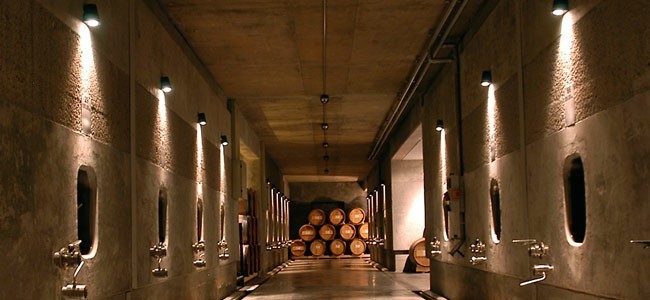
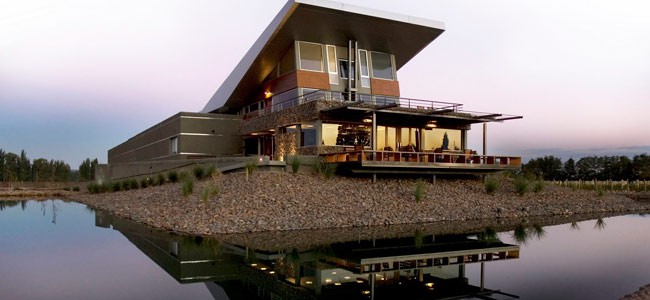
Bodega Vistalba — Built by Carlos Pulenta in the heart of the Vistalba sub-zone. The entire production process uses gravity, no pumps. The underground tasting room is one of the more unusual spaces in Mendoza.
Bodega Kaiken — Chilean winemaker Aurelio Montes built this in a 1930s winery in Vistalba. Consistent, well-made Malbec and Cabernet Sauvignon.
Carmelo Patti — A small operation in Mayor Drummond that’s become something of a local legend. No tourism packages. Just Carmelo, opening bottles from his personal reserve.
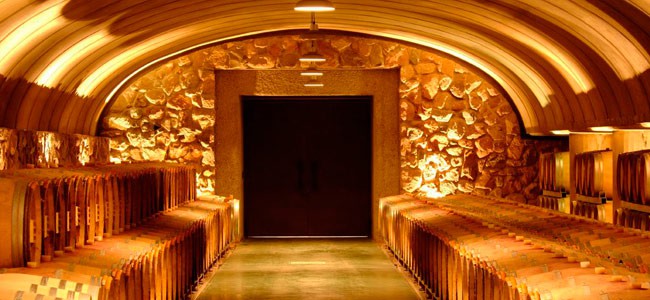
Casarena — Good for visitors who want to understand the winemaking process. The tasting walks you through fermentation, barrel aging, and bottle — you taste the differences at each stage.
If you have specific bodegas in mind, we’ll build the day around them.
How It Compares
Maipú has more cycling routes and a more rural feel. The Uco Valley is 90 minutes away with higher-altitude, more structured wines. Luján is the middle ground — close to the city, classic Mendoza Malbec, wineries with real depth.